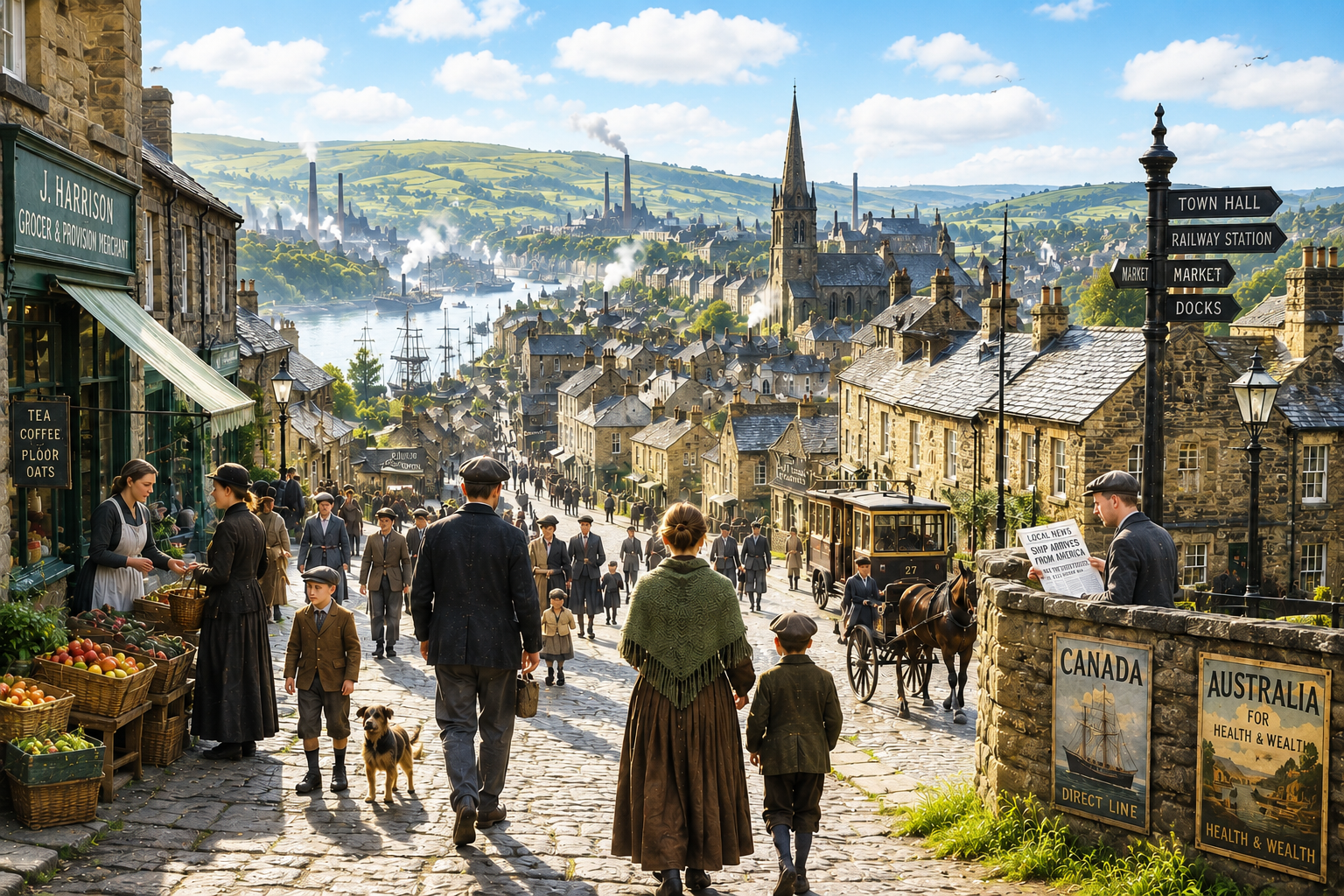
Social Genealogy
Family history is more than names and dates.
Social genealogy is the idea that family history is about more than names, dates, and family trees.
It is about understanding ancestors as real people who lived within communities, landscapes, economies, cultures, and historical events.
Genealogy Beyond Names and Dates
A family tree gives structure to your research, but it does not always explain the life behind the person.
Knowing that an ancestor was born in a village, married in a parish church, appeared in a census, and died in another county is important. But those facts are only the outline.
Social genealogy tries to fill in the world around that outline.
It asks questions like:
- What kind of community did they live in?
- What work shaped their daily life?
- Were they part of a farming, mining, fishing, military, industrial, or urban community?
- Why did they move from one place to another?
- What historical events affected their family?
- Who were their neighbours, witnesses, sponsors, employers, and relatives?
- What did their town, parish, street, township, or village actually look like?
Why Social Genealogy Matters
Most of our ancestors were not famous.
They were farmers, labourers, miners, nurses, domestic servants, fishermen, factory workers, clerks, soldiers, shopkeepers, parents, children, neighbours, migrants, and ordinary people trying to survive within the world around them.
Social genealogy matters because ordinary lives are still historical lives.
When we place ancestors back into their communities, we begin to understand:
- how work shaped identity,
- how migration changed families,
- how religion influenced records and community life,
- how poverty, class, opportunity, and geography affected choices,
- and how local events could shape generations of family history.
A baptism record, census return, passenger list, military file, probate record, or gravestone is not just a document. It is a doorway into the social world surrounding a person’s life.
How Social Genealogy Is Different
Traditional genealogy often focuses on proving relationships and building an accurate family tree.
That foundation still matters. Evidence matters. Records matter. Accuracy matters.
Social genealogy does not replace traditional genealogy. It expands it.
Instead of stopping once a name, date, and place are found, social genealogy asks what those facts meant in context.
The Records Social Genealogy Uses
Social genealogy uses the same records as traditional genealogy, but often reads them with a wider lens.
Useful sources include:
- census returns,
- parish registers,
- civil registration records,
- passenger lists,
- military records,
- land and property records,
- probate records,
- obituaries,
- newspapers, maps, directories, photographs, local histories, and community archives.
It also pays close attention to people who appear around an ancestor in the records, including witnesses, sponsors, neighbours, lodgers, employers, relatives, and travelling companions.
Those surrounding people often reveal the social networks that shaped a family’s life.
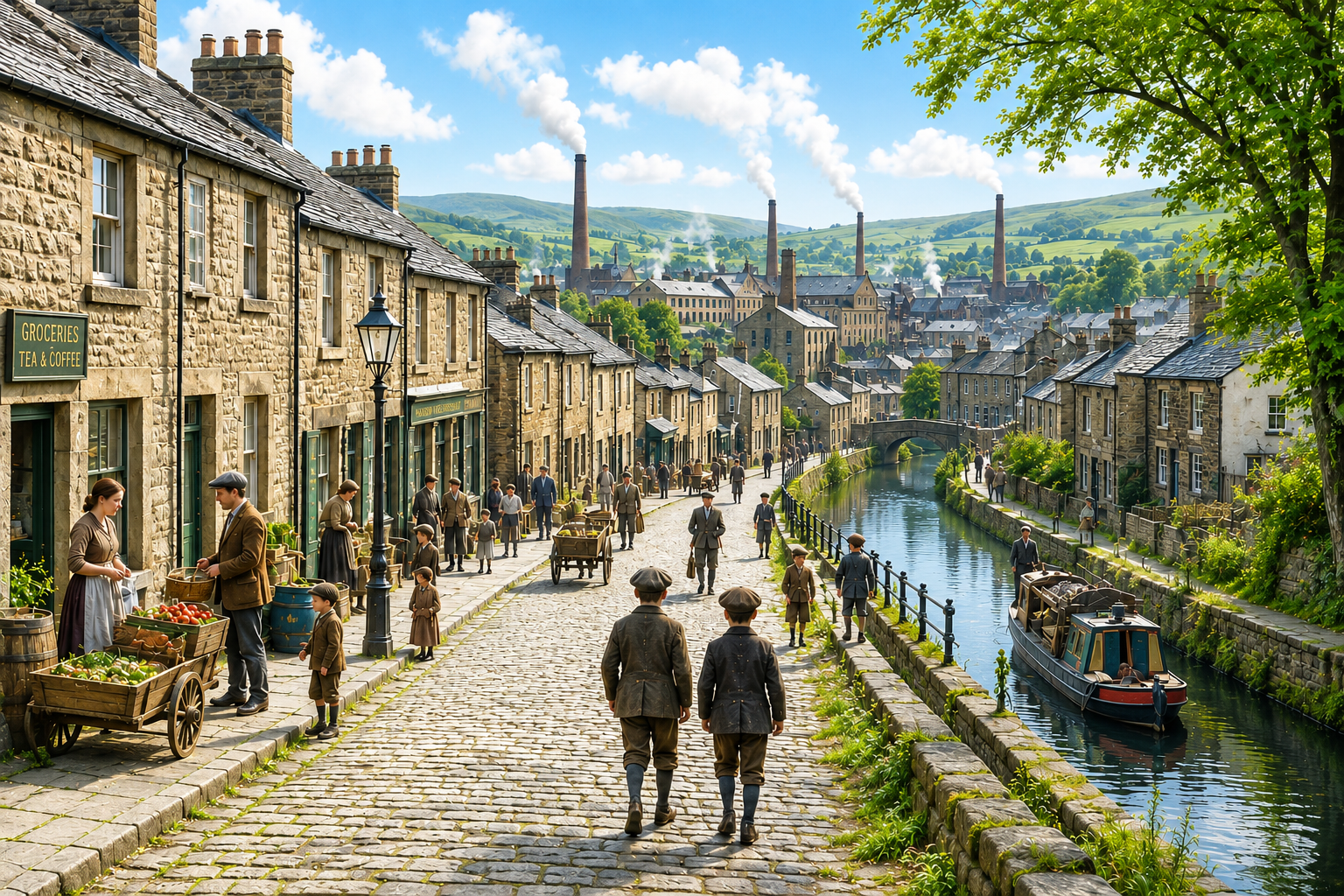
Place & Community
Social Genealogy and Local History
Social genealogy is closely connected to local history.
To understand a family properly, it often helps to understand the place where they lived.
That might mean researching a mining village in Cornwall or Durham, a rural township in Ontario, a parish in Yorkshire, a townland in Ireland, an industrial district in Glasgow, or a port city shaped by migration and trade.
Local history helps explain why people lived where they did, what work was available, what institutions shaped the community, and how ordinary families experienced larger historical changes.
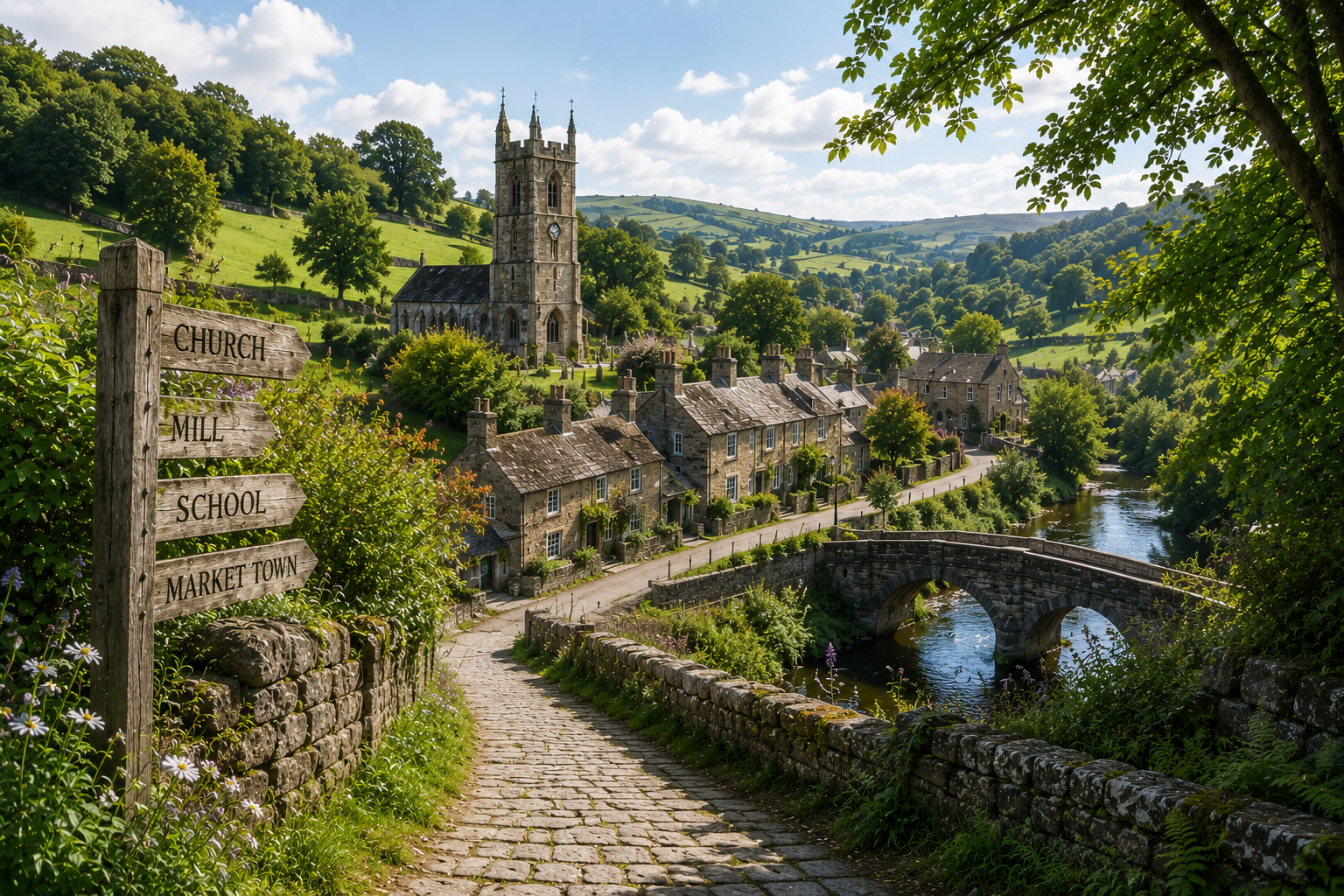
Place Made Personal
Social Genealogy and Ancestral Travel
Social genealogy also connects naturally to ancestral travel.
Once you understand the places connected to your ancestors, visiting them can become much more meaningful.
It is one thing to know that an ancestor lived in a village, worked in a mine, attended a church, crossed an ocean, or was buried in a particular cemetery.
It is another thing to stand there.
Walking in an ancestor’s footsteps can turn family history from something researched on a screen into something physical, emotional, and deeply connected to place.
A More Human Way to Research
A More Human Way to Research Family History
At its heart, social genealogy is about remembering that every person in a family tree lived within a real social world.
They had neighbours. They worked jobs. They belonged to communities. They faced hardship. They made choices. They moved, stayed, worshipped, married, raised children, lost people, inherited things, left places behind, and built lives from the circumstances around them.
Social genealogy helps bring those worlds back into view.
It does not ask us to abandon careful research. It asks us to use careful research to tell fuller, more meaningful stories.
Because genealogy is not only about discovering who our ancestors were. It is about understanding the worlds they lived through.